
Embarking on the journey of buying or selling a home is a significant milestone, and selecting the right real estate agent can make all the difference. With countless agents vying for your attention, how do you pinpoint the one who aligns perfectly with your needs? For instance, if you’re considering properties in South Florida, working with a seasoned professional like Delray Beach real estate agent Renee Strack can provide invaluable insights. Renee specializes in luxury properties, including oceanfront estates and new construction residences in Florida’s premier communities. Her background in real estate investments offers a unique advantage, blending financial acumen with an elevated understanding of the luxury market.
Understand the Role of a Real Estate Agent
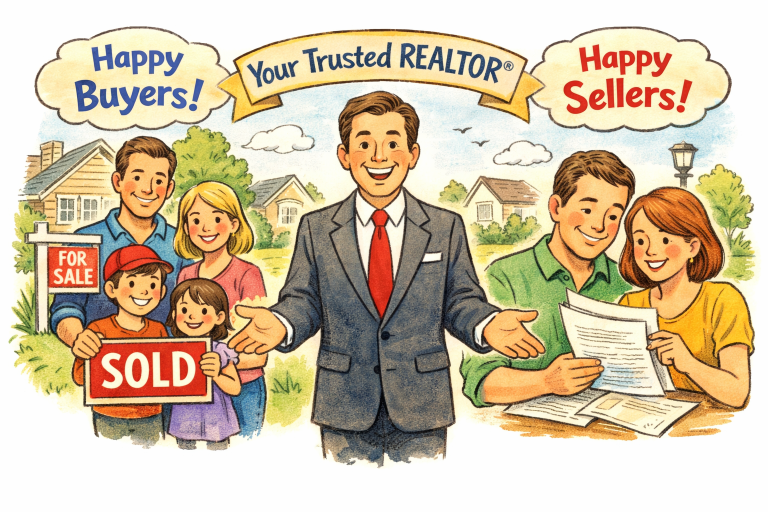
Real estate agents serve as your guide through the complex process of buying or selling a property. They handle pricing strategies, negotiations, paperwork, and ensure a smooth closing process. It’s essential to distinguish between:
- Buyer’s Agent: Represents your interests when purchasing a home, helping you find properties that fit your criteria and budget.
- Seller’s Agent (Listing Agent): Markets your property, attracts potential buyers, and negotiates the sale on your behalf.
Some states permit dual agency, in which one agent represents both the buyer and the seller, but this can lead to conflicts of interest. Ensure you understand the implications before proceeding.
Define Your Needs and Preferences
Before reaching out to potential agents, clarify what you’re looking for:
- Preferred communication style (e.g., emails, calls, texts).
- Availability (full-time vs. part-time agents).
- Experience with specific property types or price ranges.
- Familiarity with your desired neighborhood or area.
Having a clear picture of your preferences will streamline the selection process.
Seek Referrals and Conduct Research
Start by asking friends, family, or colleagues for agent recommendations, especially if they’ve recently bought or sold in your area. Personal experiences can provide valuable insights. Additionally, utilize online platforms to read reviews and testimonials. For instance, platforms offer directories of agents with client reviews, helping you gauge their reputation and performance.
Interview Multiple Agents
Meeting with at least two or three agents allows you to compare their experience, approach, and compatibility with your needs. Prepare a list of questions, such as:
- How long have you been in real estate?
- Can you provide references from recent clients?
- What is your strategy for marketing properties?
- How do you handle multiple offers or bidding wars?
These discussions will help you assess their expertise and determine if they’re the right fit.
Verify Credentials and Watch for Red Flags
Ensure the agent holds an active license in your state and check for any disciplinary actions. For example, the California Department of Real Estate emphasizes the importance of verifying an agent’s license status to protect yourself during the transaction.
Be cautious of agents who:
- Pressure you into quick decisions.
- Are slow to respond or lack clear communication.
- Have limited knowledge of your target market.
These signs can indicate potential issues down the line.
Consider Local Market Expertise
An agent familiar with your desired area can offer insights into market trends, pricing, and available properties. As highlighted by Boston.com, a local agent active in your neighborhood can provide tremendous value, ensuring you make informed decisions.
Evaluate Marketing Strategies
When selling a property, asking potential agents about their marketing strategies is vital. A reputable agent should leverage a variety of tools, including professional photography, virtual tours, and both online and offline advertising. Ask for examples of previous listings and specifically inquire about their approach to digital marketing on social media platforms, as well as their network of contacts within the area. Effective marketing can mean the difference between a quick sale and a prolonged listing period. Furthermore, inquire whether the agent is a member of any professional organizations, such as the National Association of Realtors, which may offer additional resources and networking opportunities.
Compare Commission Structures and Agreements
Understanding the commission structure is an essential step in selecting an agent. Most agents are compensated via commission, typically a percentage of the selling price. However, this can vary depending on your region or the type of property. Some agencies may provide flat-fee or tiered commission options. Request that any commission arrangement be clearly outlined from the start, and do not hesitate to negotiate if you feel it is justified. Review your listing or buyer agreement carefully and make sure you understand key clauses, including exclusivity periods and early termination penalties. Transparency and fairness in financial arrangements reflect well on the professionalism of your potential agent.
The Importance of Ongoing Communication
Effective and consistent communication is paramount in the real estate process. The best agents will keep you regularly updated, provide honest feedback, and answer your questions promptly. Consider testing a prospective agent’s communication style early on—notice how quickly they return your calls or respond to your emails and texts. A good flow of information will not only keep you informed but also reduce stress throughout your transaction. Regular status updates, prompt notifications about new listings or offers, and thorough post-showing reports are all hallmarks of an agent who truly values your business and your peace of mind.
Trust Your Instincts
Beyond credentials and experience, it’s crucial to feel comfortable with your agent. They should listen to your concerns, understand your goals, and communicate effectively. A strong working relationship will make the buying or selling process smoother and more enjoyable.
Final Thoughts
Choosing the right real estate agent is a pivotal step in your property journey. By understanding their role, defining your needs, conducting thorough research, and trusting your instincts, you can find an agent who will advocate for your best interests and guide you to a successful transaction. Remember, spending extra time evaluating your options now can save you time, money, and stress in the long run. Whether you’re a first-time buyer, a seasoned investor, or putting your home on the market, the right agent is your most valuable ally on the path to a successful closing.